
A History of the Estate
Alfred Julius Stecker · Detroit, Michigan · St. Petersburg, Florida · jungle prada - 1924
What follows is not a listing description. It is a record — of a man, of an era, and of the house he built to outlast both.
I
The Man from Detroit
Origins of an Industrialist
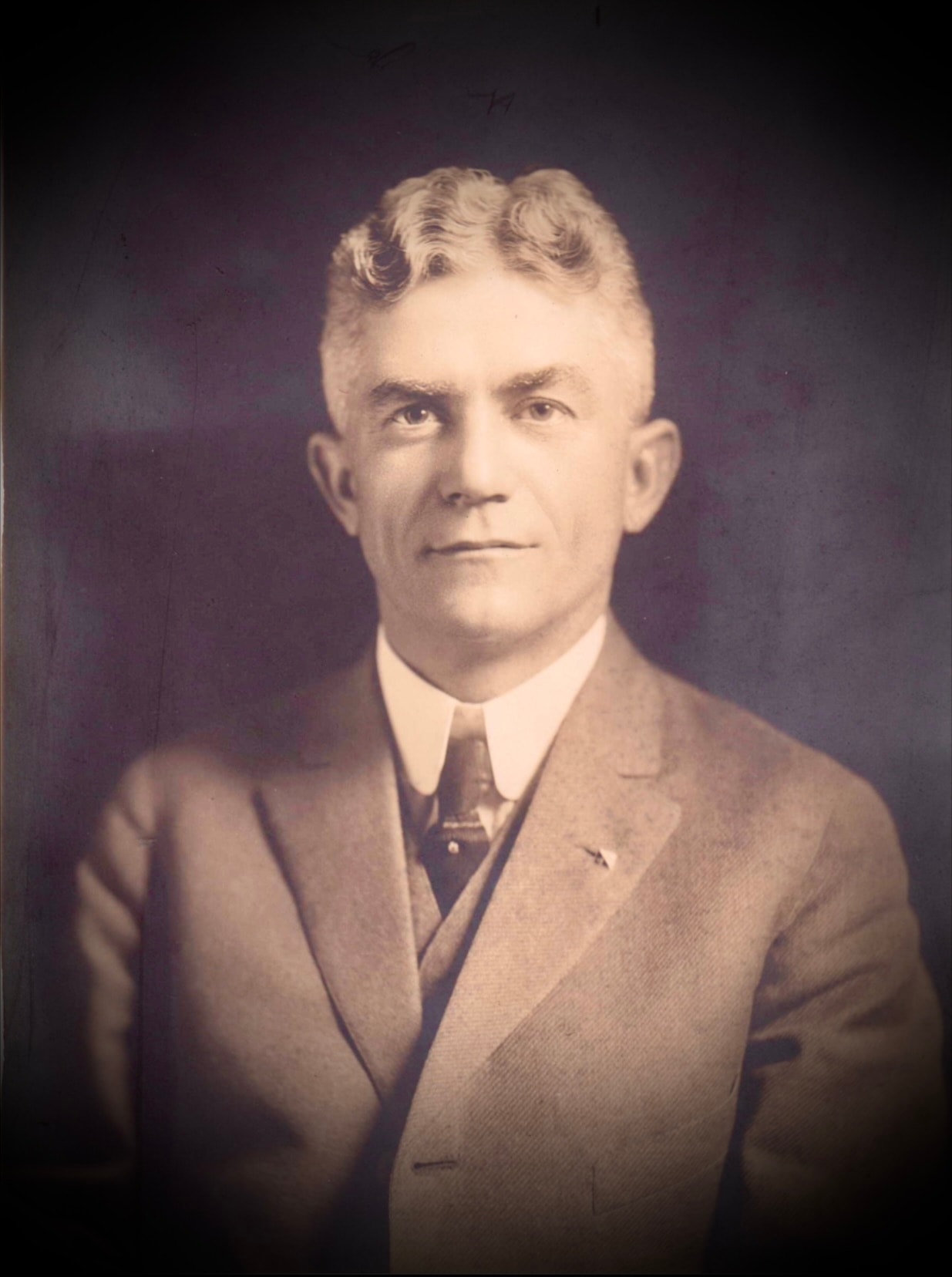
Alfred Julius Stecker was a product of Detroit at its most consequential moment. In the late nineteenth and early twentieth centuries, the city was the engine of American industrial ambition — a place where a man with a mechanical mind and the will to act on it could change the world. Stecker was precisely that man.
Born into the industrial culture of the Midwest, Stecker came of age in an era when invention was the highest form of commerce. The factories of Detroit were producing not just automobiles but an entirely new conception of domestic life — one in which machinery would relieve the household of its most laborious burdens. Stecker understood this shift before most, and he positioned himself at its center.
His connections ran deep into the manufacturing networks of the city. He was not merely an inventor in isolation but a man embedded in the commercial infrastructure of American industry — a figure who understood that a patent was only as valuable as the enterprise built around it.
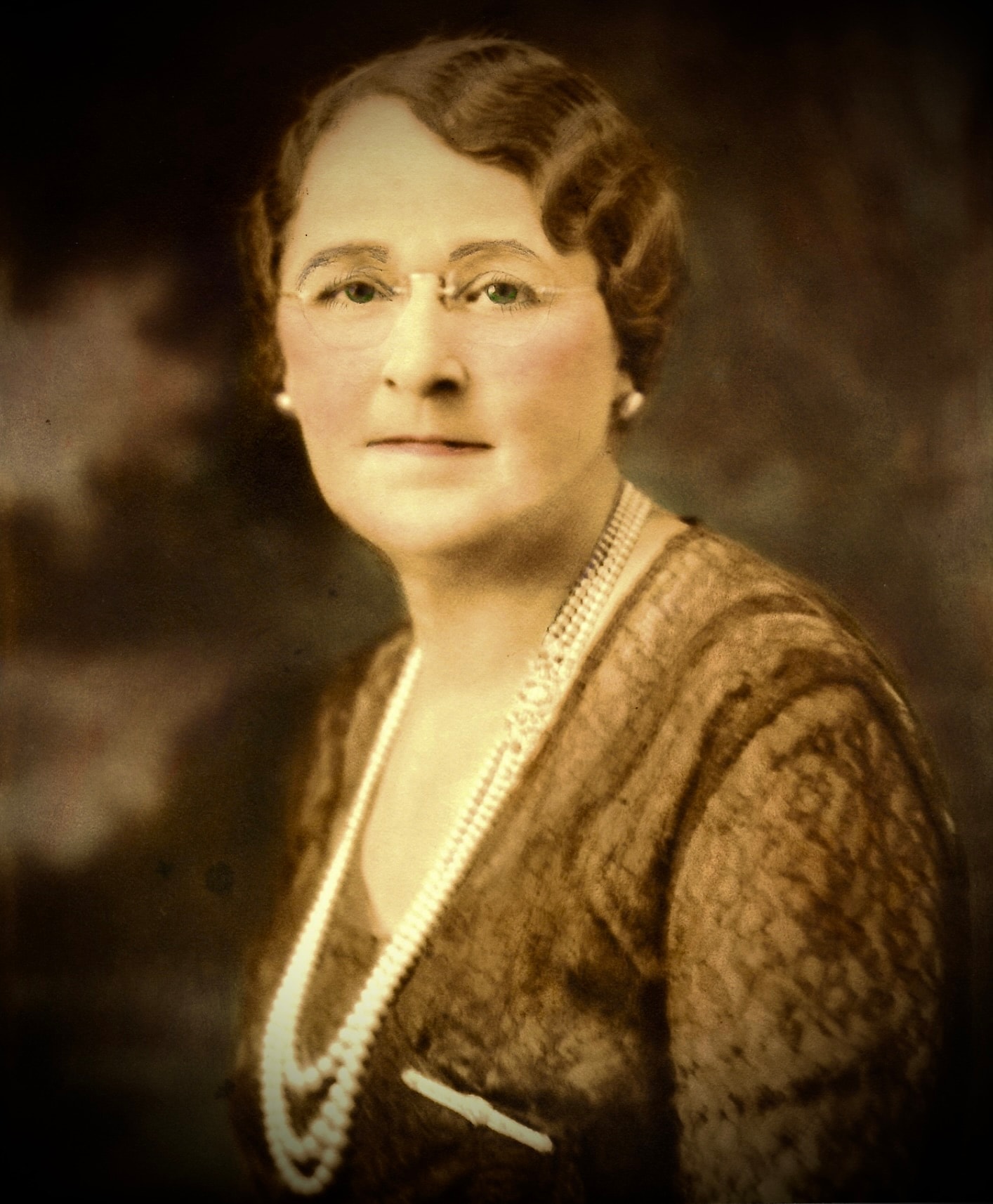
Beside him through every chapter of that ambition stood Florence Stecker. More than a companion to a driven man, Florence was the steady presence that gave the Stecker household its character — the one who transformed a house of industry into a home of grace. When Alfred followed Walter Fuller's vision south to the bluffs of St. Petersburg, it was Florence who made the estate on Jungle Avenue a place of warmth and permanence, a home that bore her hand as surely as it bore her husband's name.
II
The Pioneer of the Jungle: Alfred Julius Stecker and the Vision of Walter Fuller
Detroit Ingenuity Meets the Florida Land Boom
During the roaring Florida land boom of the 1920s, a fascinating bridge was built between the industrial wealth of Detroit and the untapped wilderness of west St. Petersburg. At the center of this story were two men: Alfred Julius Stecker, a brilliant Detroit inventor, and Walter P. Fuller, an ambitious young St. Petersburg developer.
Alfred Julius Stecker was a man of immense practical ingenuity. Operating out of Detroit, he held multiple early 20th-century patents, ranging from specialized electric motorized therapeutic vibrators for the Eureka Vibrator Company to intricate card-dealing machinery. His success in the manufacturing hub of the Midwest afforded him both wealth and status, making him exactly the kind of investor Florida developers were desperate to attract.
Meanwhile, on the sun-drenched coast of Boca Ciega Bay, Walter Fuller and his father, H. Walter Fuller, were plotting one of the most upscale developments in St. Petersburg's history. They took a subtropical wilderness area and named it "The Jungle." To turn this remote, palmetto-fringed land into a fashionable winter destination, Walter Fuller knew he needed northern capital.
Fuller routinely traveled north to court elite tycoons, making strategic stops at places like the prestigious Detroit Athletic Club. There, amidst the wealthy industrial barons of the automotive boom, Fuller pitched his grand vision of a paradise on the Gulf Coast.
Stecker bit. Captivated by Fuller's ambition, Stecker bought into the vision, eventually choosing to move down and spend the later chapters of his life in St. Petersburg.
Fuller's development grew rapidly. To give his wealthy northern buyers a taste of city luxury, Fuller built the region's very first outdoor shopping pavilion in 1924, naming it the Jungle Prado (inspired by Havana's famous Paseo del Prado). The glamorous complex featured Pinellas County's very first nightclub — a legendary speakeasy called The Gangplank — where Al Capone allegedly held part-ownership and musical icons like Duke Ellington performed.
The partnership between Detroit innovators like Stecker and Florida visionaries like Fuller permanently transformed the Florida landscape, cementing Jungle Prada as a legendary crown jewel of historic St. Petersburg.
III
The Decision to Build
St. Petersburg, 1924
By the early 1920s, St. Petersburg, Florida had become the destination of choice for the prosperous industrialists of the American Midwest. The city offered what Detroit could not: warmth, light, the Gulf breeze, and a landscape of extraordinary natural beauty. The great families of the Gilded Age and the Progressive Era came south each winter, and they built accordingly.
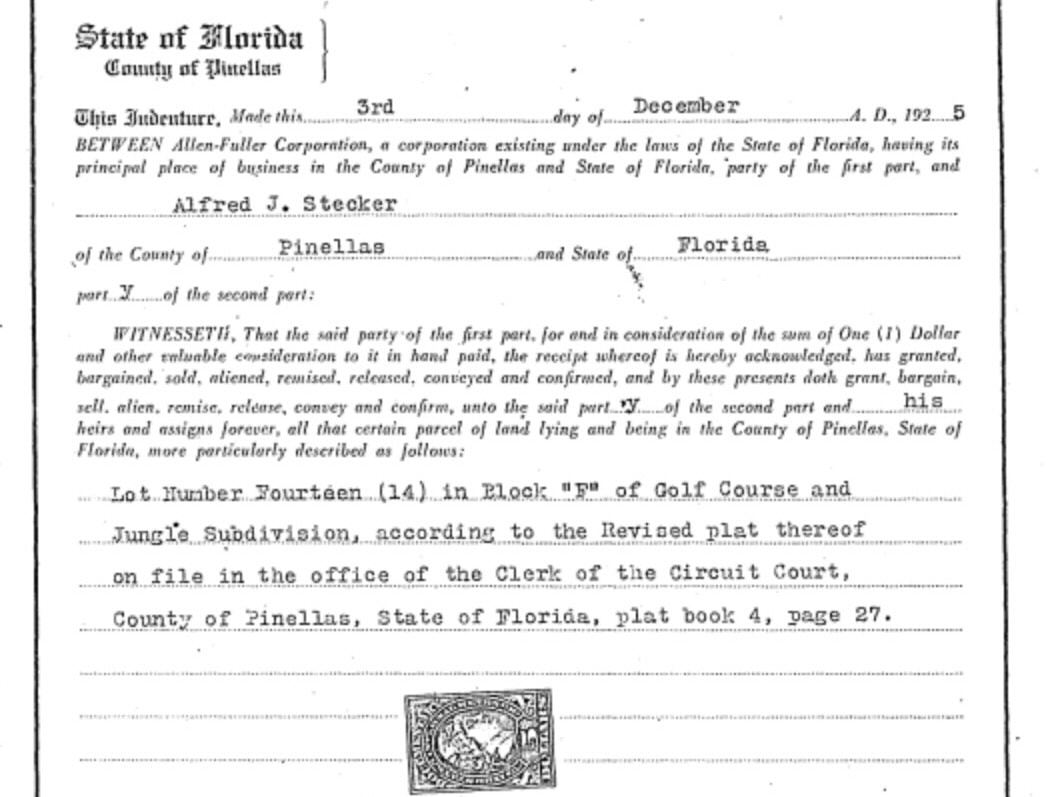
Stecker chose his site with care. The elevated bluff position he selected offered commanding views, natural ventilation, and — crucially — an elevation that placed the property entirely outside the flood plain. This was not an accident. It was the decision of a man who thought in engineering terms, who understood the relationship between site and structure, and who intended his house to endure.
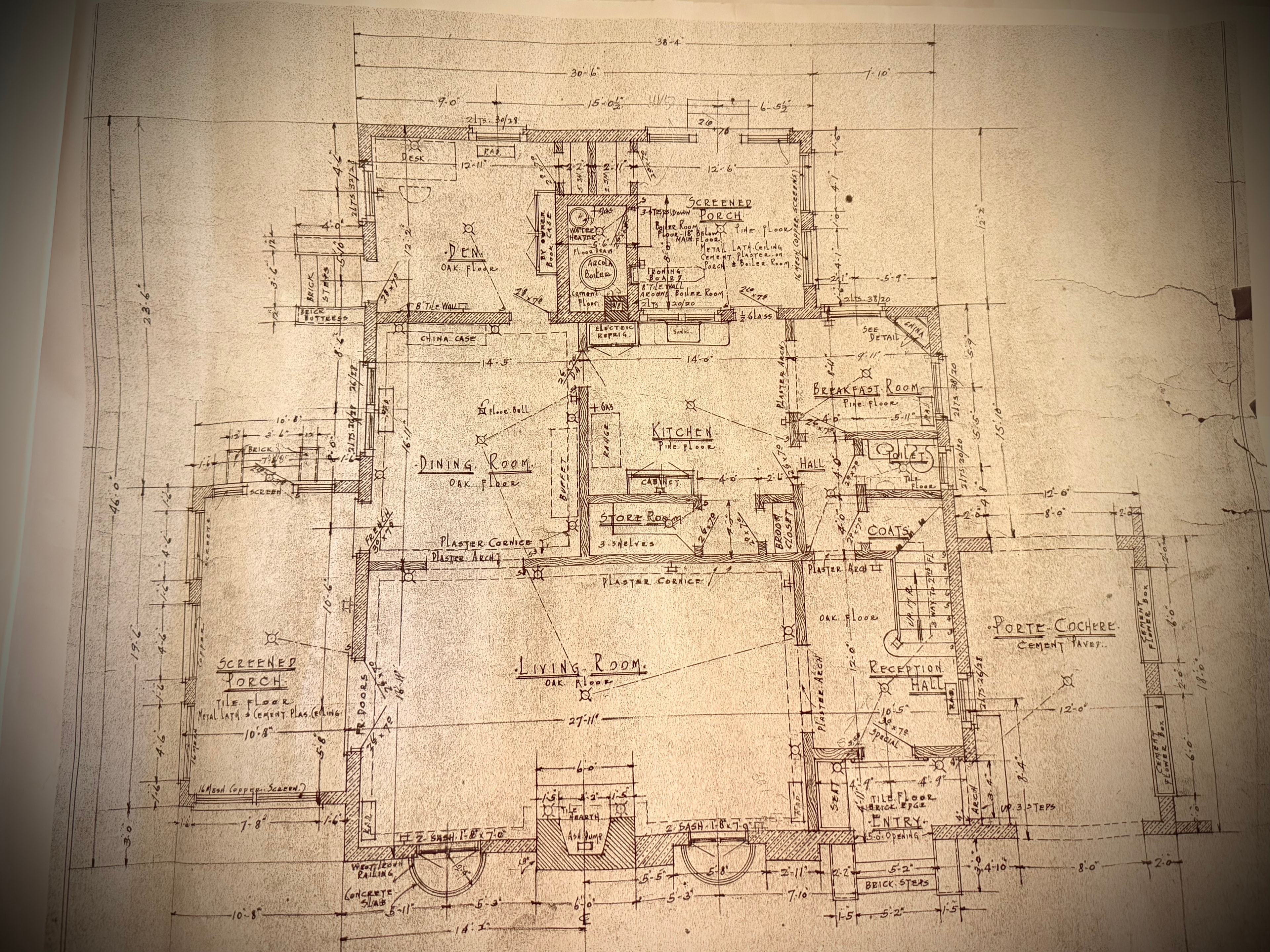
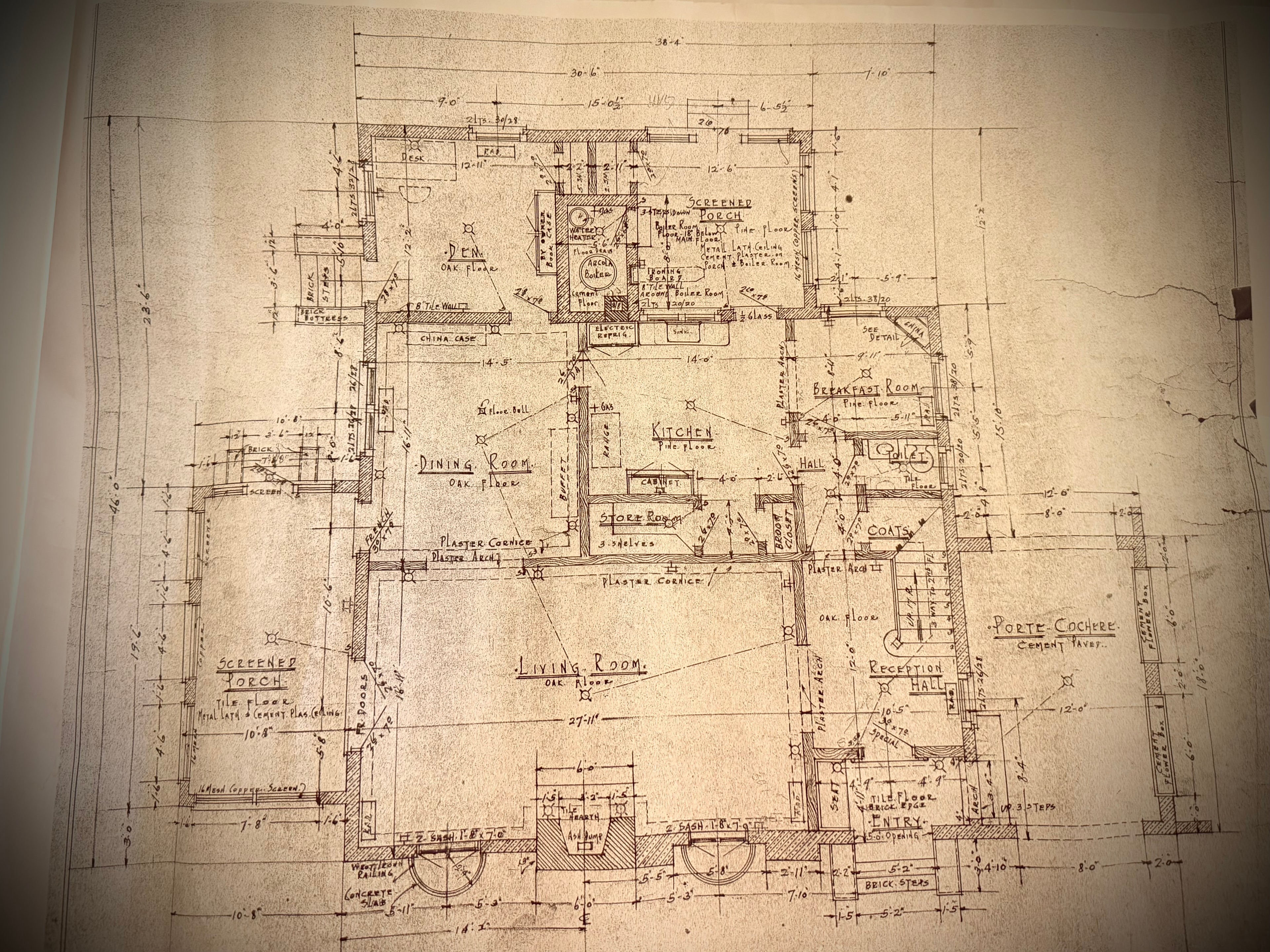
The project began in 1924 with a building permit. The architectural program Stecker commissioned was ambitious: a Mediterranean revival composition drawing on the Spanish colonial tradition of the American South and the French decorative vocabulary of the Beaux-Arts period. The result was a house that spoke two languages simultaneously — the warmth and weight of the Spanish tradition, and the refinement and precision of the French.
IV
The Architecture
Spanish Form, French Detail
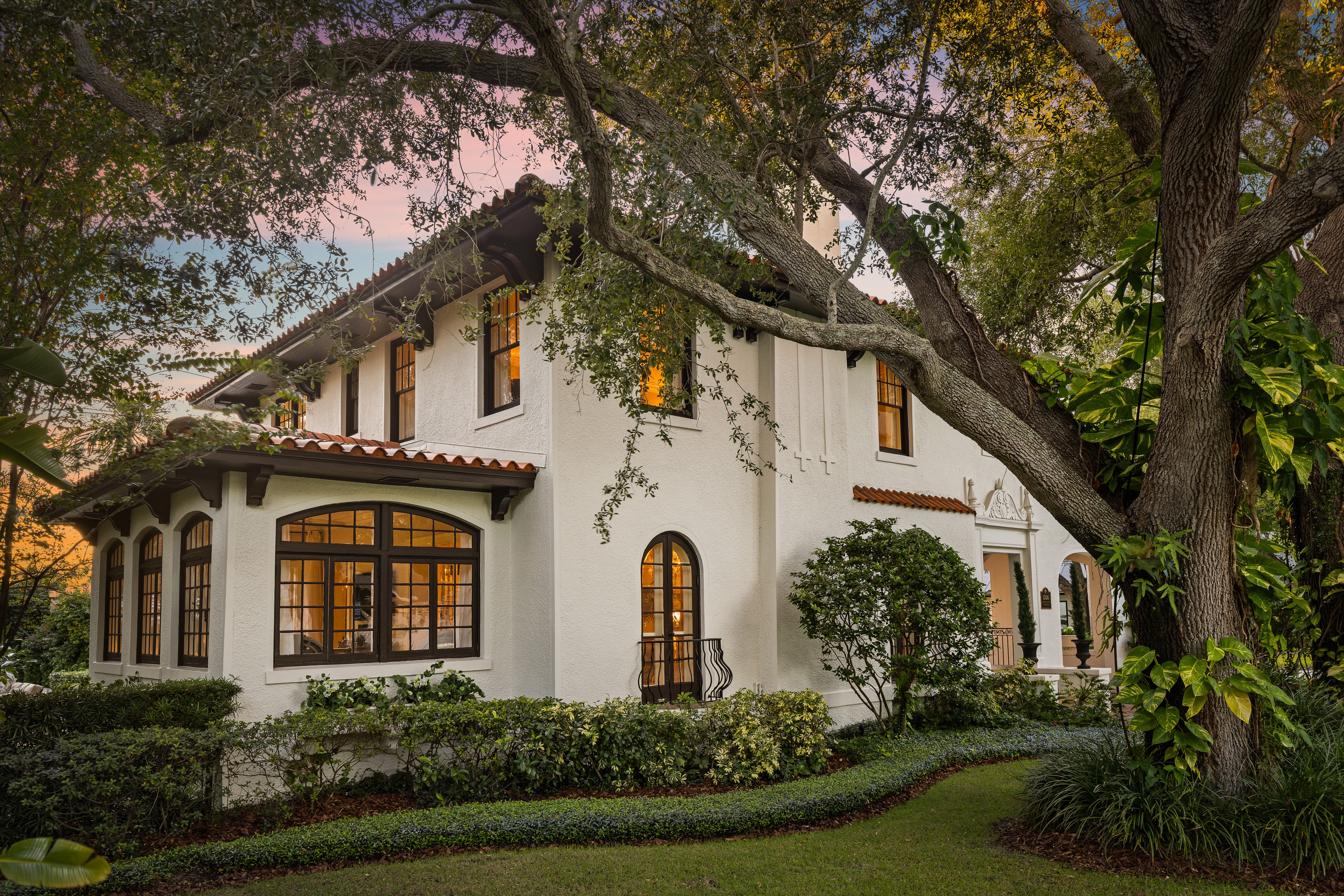
The Mediterranean revival style that Stecker's architect employed was not a single tradition but a synthesis. Its roots lay in the Spanish colonial architecture of California and Florida — the red-tiled roofs, the stucco walls, the arched openings and shaded loggias that responded so intelligently to the subtropical climate. But the Stecker Estate layered onto this foundation a decorative vocabulary drawn from the French tradition: wrought ironwork of extraordinary delicacy, carved stone and wood ornament, and an interior program of formal rooms that recalled the great houses of the Loire Valley.
The result was a house of unusual sophistication. The principal rooms — the grand drawing room, the stately dining hall, the music chamber — were designed for entertaining at the highest level, with ceiling heights and proportions that commanded respect. The secondary spaces — the glass conservatory, the kitchen and gathering wing — were designed with equal care, their character warmer and more intimate but no less precise.
What distinguishes the Stecker Estate from comparable houses of its period is the degree to which its original fabric survives. The picture rails, the carved cornices, the arched openings, the crystal door hardware, the Spanish terracotta tile — all of it intact, all of it original. A century of careful stewardship has preserved not just the structure but the complete architectural vocabulary of the house as Stecker built it.
V
A Century of Stewardship
The Estate Today
The Stecker Estate has passed through a small number of careful hands in the century since its construction. Each successive owner has understood what they held — not merely a house, but a document of a particular moment in American history, when wealth was expressed through craft, when permanence was a value, and when a man of means built not for the market but for the ages.
The estate that stands today is, in all essential respects, the estate that Alfred Julius Stecker built in 1924. The original architectural plans and construction specifications — including the framed elevation drawing still displayed on its period easel — remain with the property, a complete provenance record of extraordinary rarity.
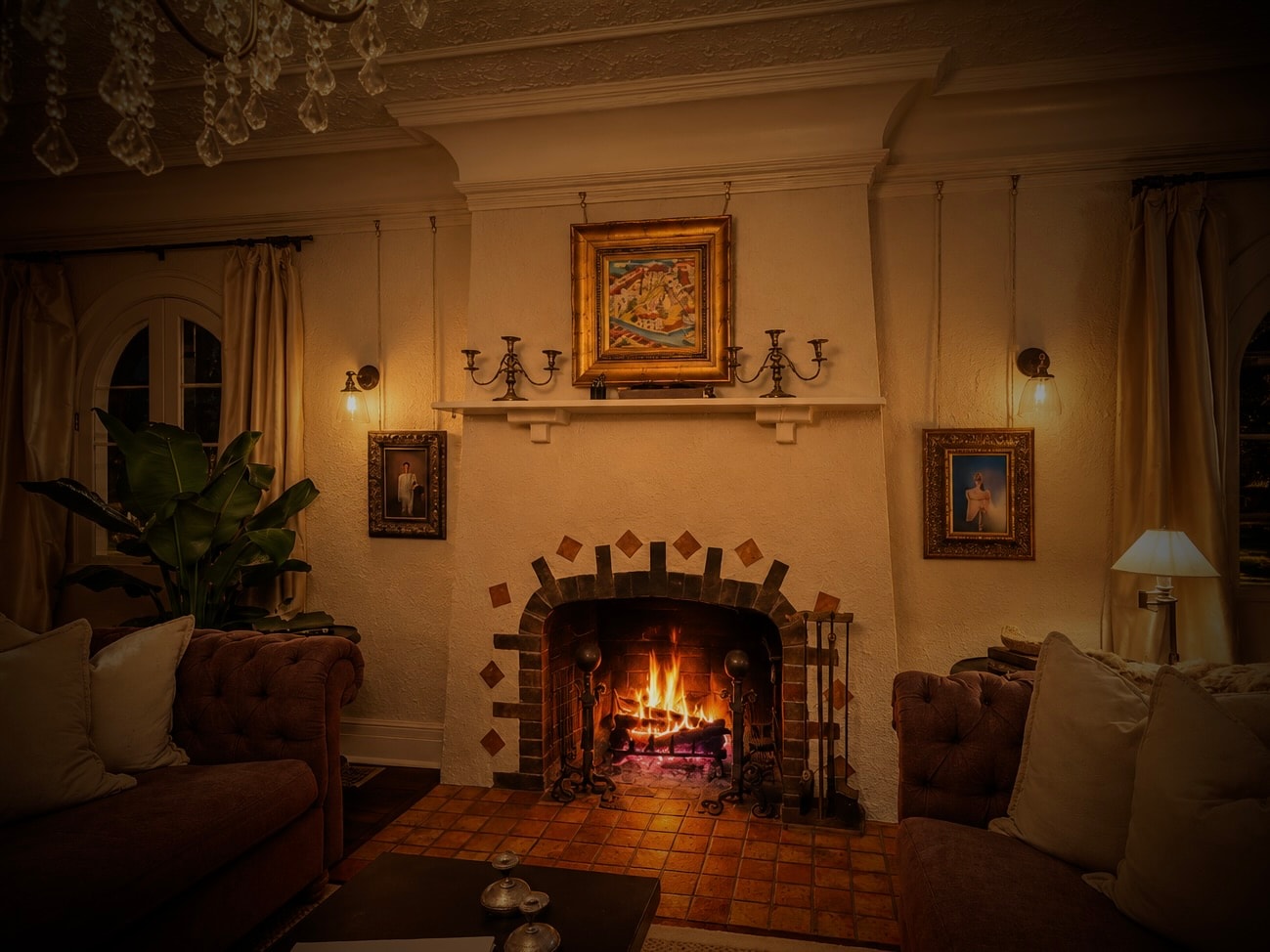
There is a particular quality to the light inside these rooms at night — the way the original fireplaces cast their amber glow across plaster walls that have held the warmth of a hundred winters. That flame is, in its way, the truest symbol of what this house represents: a torch lit by Alfred Julius Stecker in 1924, carried faithfully by each steward who followed, and passed now to the next.
For the right buyer, this is not an acquisition. It is a custodianship — the opportunity to become the next keeper of that flame, to carry forward a legacy that began in the factories of Detroit and found its permanent expression on the bluffs of St. Petersburg, Florida.
Chronology
Alfred Julius Stecker born, Detroit, Michigan
Eureka Company founded in Detroit; Stecker's patent central to its early product
Stecker selects bluff site in St. Petersburg, Florida
Construction of the estate begins; Mediterranean revival program commissioned
Estate completed; original plans and elevation drawing archived on site
The estate marks its centennial — original fabric intact